
🌊 Why Beaches Have Sand
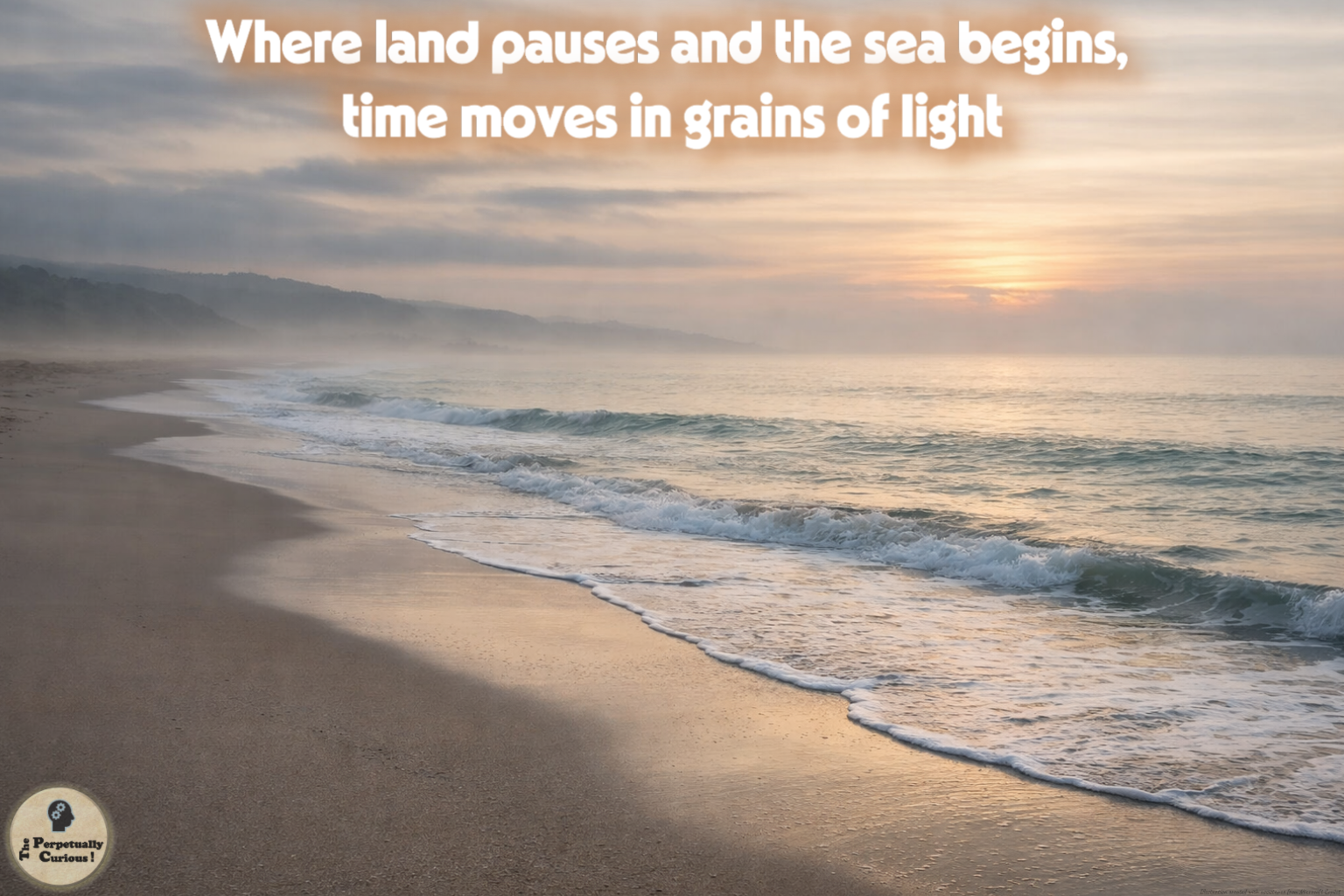
Much beach sand begins as part of a larger rock. Mountains, cliffs, and ancient bedrock slowly break down through weathering. Rivers carry these fragments from inland landscapes toward the sea. Along the way, the grains are tumbled, shaped, and sorted. In some regions, coastal cliffs add additional material. In tropical settings, coral and shells contribute their own fragments. By the time these grains reach the coast, they have already traveled through many environments and have been shaped by long periods of motion.
For readers who want the full explanation of how weathering, rivers, and coastal energy work together, the complete article on the main site follows this journey in much greater depth.
How sand reaches and stays on the shore
Once sand arrives at the shoreline, it does not simply remain where the river delivers it. Waves often approach the coast at an angle. This creates longshore drift, a sideways movement that transports sand along the beach. Over time, this process can carry sediment far from its original source and can build sandy stretches of coastline even where the river mouth itself is not a beach.Sand grains are heavy enough to settle quickly but light enough to be lifted and moved by waves. This balance allows them to remain within the active zone of the beach. In contrast, finer particles such as silt and clay tend to stay suspended in the water until they reach calmer environments like tidal flats or marshes. Beach slope and local wave conditions also influence which grain sizes remain on the shore. These differences help explain why many open coastlines are sandy while quieter environments accumulate mud.
Where the full story continues
This post introduces the central processes that shape sandy coastlines. The full article on The Perpetually Curious continues into how different sources and environments give beaches their varied colors, textures, and compositions, and how these patterns connect to the wider science of coasts and sediment.For readers who want the complete version, including the extended journey from inland rock to shoreline, global examples, visual context, Did You Know notes, and FAQ, continue with the full article below:
🌊 Where the Waves Leave Their Footprints: Why Beaches Have Sand
https://www.theperpetuallycurious.org/articles/planet-earth/why-beaches-have-sand
🌿 Continue exploring this theme
More connected articles on plant life, botanical adaptations, plant ecologies, and the living patterns that shape the green world are gathered on The Perpetually Curious! website.
Explore Botanical Wonders Articles
Comments
Post a Comment